


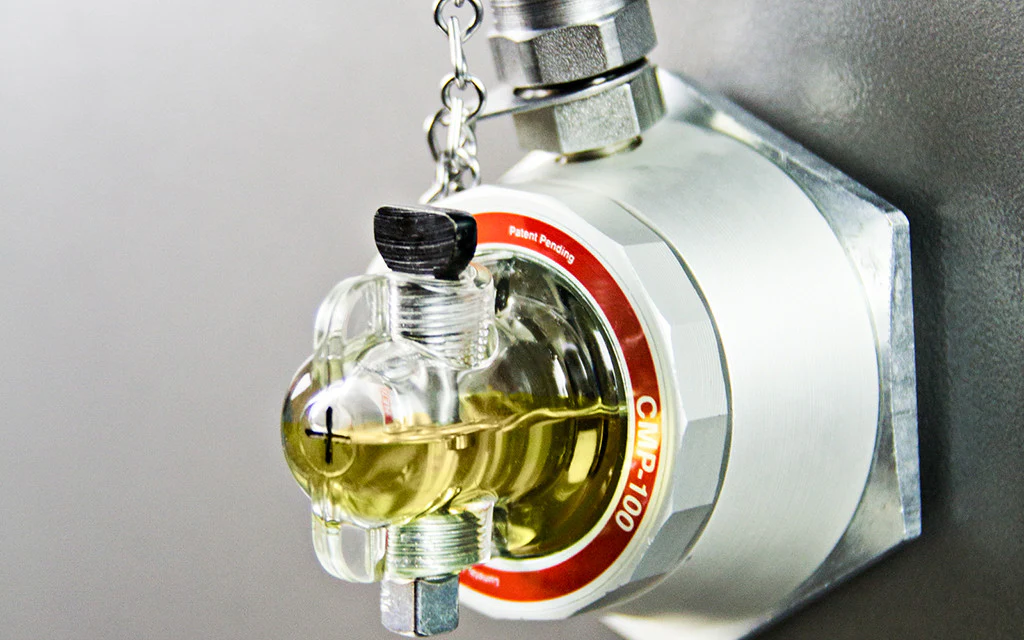
Sampling Port
Two of the most critical requirements of Oil sampling port installation are the correct location and the process of sampling. A sampling port is a location from which you can collect oil samples. It can either be a valve, tap, or drainpipe. A sampling port that follows the best practices ensures that you get a sample that best represents the current condition of your machine. Without a representative sample, oil analysis is just a waste of time. In other words, garbage in garbage out.
Oil sampling port installation & Sampling Ports
You should install primary sample ports at the locations where you collect routine oil samples. These ports monitor oil pollution, wear debris, and the oil’s chemical and physical properties. The placement of the primary sample port varies, but in circulating systems, it should be on the return line before the fluid reaches the sump or reservoir. A suitable sample port collects samples that accurately represent the system.
Installing additional ports in key areas (secondary sampling ports) can help in isolation issues and determine the root cause of the problem. Secondary sampling ports can be strategically placed for component separation. By examining individual components, you can pinpoint the source of contamination. Only collect an oil sample from the secondary port location if the main port sample reveals an odd reading and you need to explore the root cause further.
Minimess Sample Valves
There are a variety of commercially available sample valves to choose from, each with its own set of features. The Minimess sample valve is the most effective option, typically used on larger systems. It functions like a check valve, remaining closed until the adapter is screwed or pushed on. For second-stage leak prevention, high-quality sample ports feature a dust cover with an o-ring. On one side of the adapter, a hose barb takes standard 1/4″ O. D. plastic tubing. The adapter unseats the check ball in the valve, allowing fluid to flow when threaded onto the sample port. These valves are suitable for use on systems with pressures ranging from zero to 5000 psi.
Proper oil sampling starts with the correct installation of sampling ports, ensuring that the collected sample truly represents the condition of your machine. Primary ports should be placed on the return line before the reservoir to monitor wear debris, contamination, and chemical properties, while secondary ports can help isolate issues and pinpoint root causes. Using high-quality valves like Minimess sample valves ensures leak prevention, clean handling, and reliable sampling even in high-pressure systems. Upgrade your oil sampling process today to get accurate, actionable data for your machinery. Contact us now to get started!
.