

Mining and oil extraction operations rely heavily on large, high-load machinery operating in some of the harshest environments. From crushers and conveyors to hydraulic systems and gearboxes, proper lubrication is essential for ensuring equipment reliability, reducing downtime, and extending asset life. According to Machinery Lubrication, most machinery failures are lubrication-related—and largely preventable when best practices are followed.
The Importance of Lubrication in Harsh Environments
Mining and oil extraction sites are exposed to extreme conditions, including dust, moisture, and heavy mechanical loads. These factors significantly increase the risk of contamination and accelerated wear. Without proper lubrication management, equipment is more likely to overheat, corrode, and experience premature failure.
Implementing a structured lubrication strategy is not just a maintenance task—it is a critical component of operational efficiency and cost control.
Use the Right Lubricant for the Application
Selecting the correct lubricant is the foundation of effective machinery maintenance. Equipment in mining and extraction environments often operates under high pressure and varying temperatures, making lubricant selection more complex.
The lubricant must have the correct viscosity and additive package to handle extreme loads and protect against wear, oxidation, and corrosion. Following original equipment manufacturer (OEM) recommendations is essential, but adjustments may be needed based on actual operating conditions.
Using the wrong lubricant can lead to increased friction, energy loss, and ultimately equipment failure.
Control Contamination at All Costs
Contamination is a critical and urgent threat—one of the leading causes of machinery failure in mining and oil extraction operations. Dust, dirt, and water can rapidly infiltrate lubrication systems, causing severe damage to internal components if not addressed immediately.
Best practices from Machinery Lubrication make it clear: even new oil is not clean enough for use and must be filtered before it ever enters equipment. Skipping this step can quickly lead to contamination and costly damage. Proper storage and handling are just as critical—lubricants must be kept in clean, sealed, and clearly labeled containers at all times to prevent cross-contamination and avoid immediate risks to machinery performance.
Take action now—install desiccant breathers, use proper seals, and maintain clean transfer equipment at all times. These are not optional steps; they are essential measures to minimize contamination risks and protect your machinery from preventable damage.
Apply the Right Amount at the Right Time
Both over-lubrication and under-lubrication harm equipment performance. Too much lubricant causes heat buildup, seal damage, and leaks. Too little lubricant increases friction and accelerates wear.
Rather than relying on time-based schedules, modern operations should adopt condition-based lubrication as a standard practice. This data-driven approach uses key parameters—such as temperature, vibration, and oil analysis—to determine when lubrication is required, enabling timely intervention, preventing unnecessary wear and failure, and supporting efficient, reliable operations.
This approach ensures optimal performance while minimizing waste and reducing maintenance costs, enabling reliable operations.
Implement Oil Analysis Programs
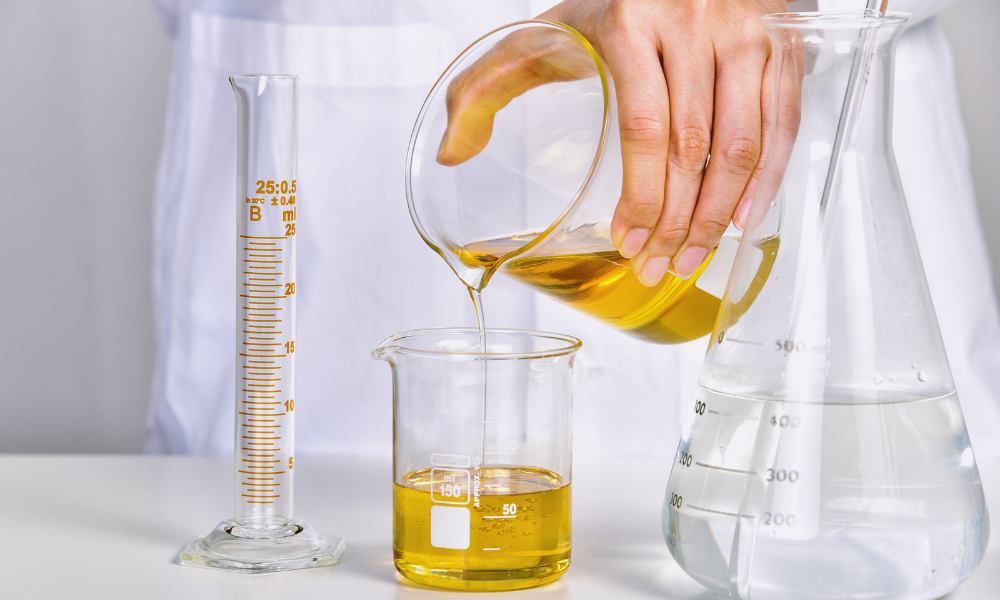
Oil analysis is a critical tool for monitoring equipment health. Regular lubricant testing enables maintenance teams to detect early signs of wear. It also identifies contamination and degradation before they cause failure.
Key parameters such as viscosity, particle count, and wear metals clearly indicate machine condition. Early detection enables proactive maintenance and prevents costly breakdowns and unplanned downtime.
Always collect samples from the correct system points to ensure accurate, representative results.
Establish a Structured Lubrication Program
A well-designed lubrication program brings together all best practices into a standardized system. This includes proper lubricant selection, storage, application methods, and monitoring procedures.
According to Machinery Lubrication, organizations that treat lubrication as a strategic reliability function—rather than a routine task—see significant improvements in equipment performance and lifespan.
Training personnel, assigning clear responsibilities, and maintaining detailed records are key components of a successful program.
Conclusion
Adopting these best practices extends machinery life while reducing downtime and operational costs, making lubrication a key driver of long-term success in demanding industrial environments. Companies looking to strengthen their lubrication strategy should partner with experienced providers like CRE Philippines for specialized lubrication programs, audits, and solutions tailored to mining and extraction operations. Contact us today to implement a lubrication program that improves equipment performance, boosts reliability, and delivers measurable operational gains.