

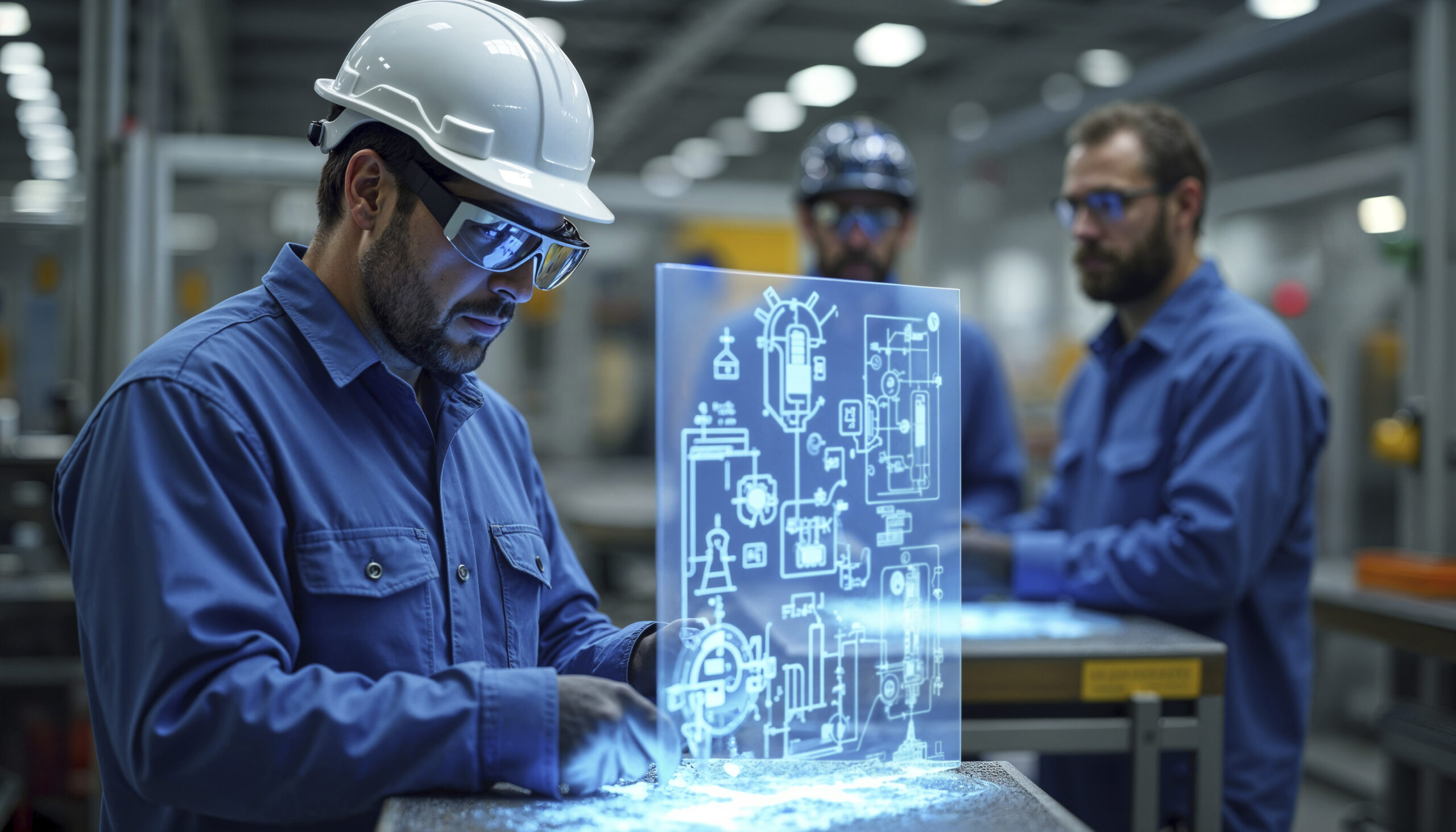
In today’s advancing technological landscape, the manufacturing industry faces a significant challenge – the skills gap.
As experienced workers retire and emerging technologies change job requirements, manufacturers face a growing skills gap. Finding innovative solutions and building a skilled, capable workforce has become crucial. This article targets manufacturing professionals, industry leaders, and HR teams seeking strategies to address the skills gap and stay competitive. By exploring how augmented reality (AR) can help, it provides actionable insights to empower readers and improve workforce development and operational efficiency.
The skills gap refers to the mismatch between the skills employers need and those of the available workforce. In manufacturing, the skills gap is widening. Factors include retiring experienced workers, low interest in technical careers among younger generations, and the fast introduction of technologies that require specialized skills.
AR in Manufacturing
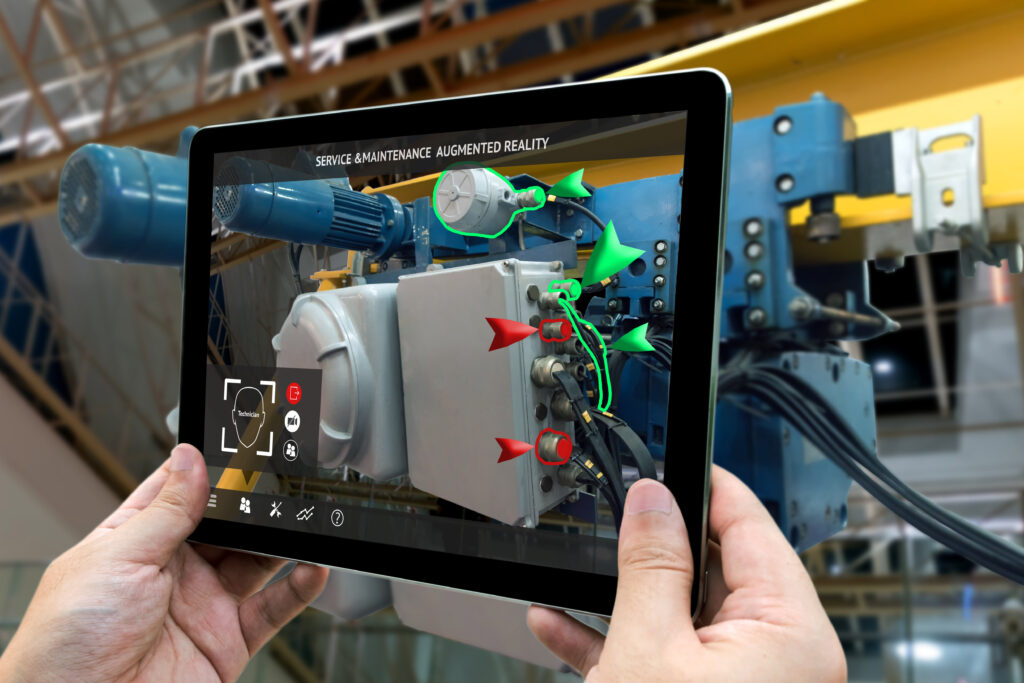
Augmented reality, the technology that overlays digital information onto the real world, offers a range of benefits in the manufacturing industry. By enhancing the physical environment with virtual elements, AR enables workers to access real-time information, instructions, and guidance, empowering them to perform tasks with greater precision, efficiency, and safety. Let’s delve deeper into how AR is revolutionizing manufacturing and helping to close the skills gap.
Enhanced Training
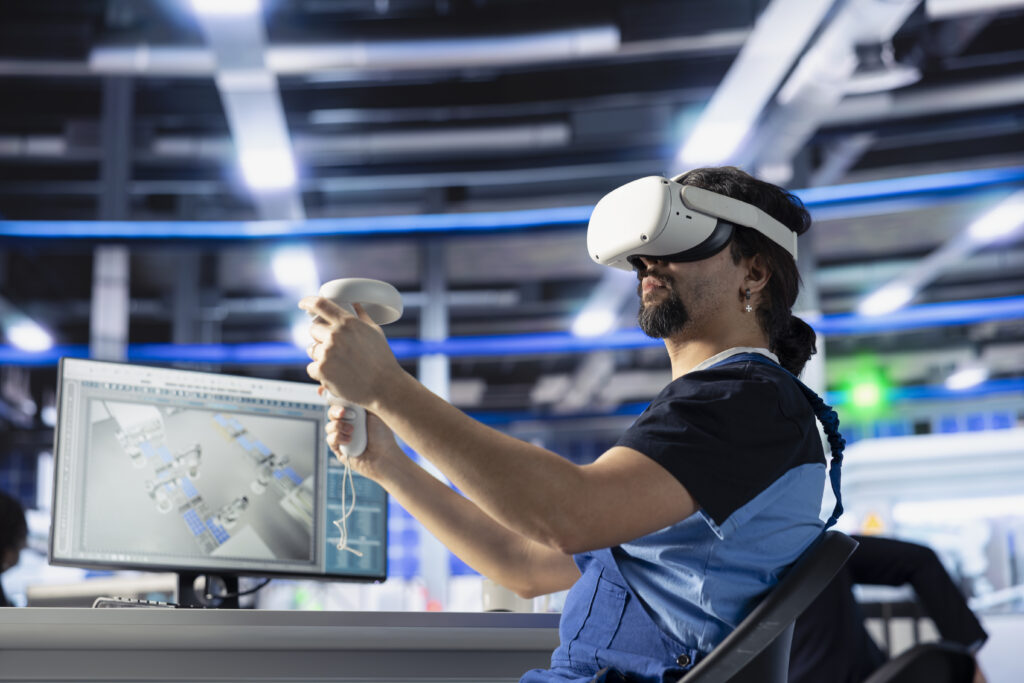
AR transforms traditional training and onboarding processes by providing immersive and interactive experiences. Instead of relying on lengthy manuals or classroom-based learning, AR allows trainees to visualize complex concepts, interact with virtual objects, and practice tasks in a simulated environment. This approach accelerates the learning curve, reduces errors, and helps new employees get the necessary skills, bridging the skills gap.
Remote Collaboration
AR technology enables remote experts to provide real-time guidance and support to on-site workers. Technicians use AR-enabled devices, such as smart glasses or tablets, to overlay virtual annotations, diagrams, or step-by-step instructions onto their field of view. This remote guidance lets less-experienced workers perform complex tasks under the supervision of skilled professionals. It ensures high-quality work and reduces the need for physical presence, which is especially valuable when travel is costly or time-consuming.
Workforce Upskilling
With the rapid technological advancements, upskilling and reskilling the existing workforce is crucial. AR offers an effective means of providing ongoing team member training without interrupting their daily work routines. AR applications give workers access to real-time updates, safety protocols, and troubleshooting information. This helps them adapt to new technologies, machinery, and processes. The flexibility empowers employees to gain the skills needed for modern equipment and addresses the gap left by retiring experienced workers.
Increased Efficiency
AR streamlines manufacturing processes by optimizing workflows and reducing downtime. By overlaying contextual information onto the worker’s view, AR eliminates the need to refer to manuals or consult experts for guidance, thus reducing errors and improving productivity. AR can provide real-time performance feedback, identify bottlenecks, and suggest process improvements. By enhancing worker efficiency, AR allows companies to achieve higher production levels and better meet customer demands, mitigating the impact of the skills gap on operations.
Workplace Safety
Ensuring workplace safety is of paramount importance in manufacturing. AR plays a vital role in reducing risks and enhancing safety protocols. AR minimizes the likelihood of accidents or injuries by providing workers with real-time safety instructions, hazard alerts, and situational awareness. Additionally, AR can simulate dangerous scenarios in a controlled environment, allowing workers to practice emergency response procedures safely without exposing themselves to real risks. This proactive approach to safety training reduces workplace accidents and reinforces a safety culture in the manufacturing industry.
Conclusion
The skills gap in manufacturing is a major challenge, but augmented reality (AR) offers a powerful solution. AR transforms training, provides remote guidance, supports upskilling, improves efficiency, and enhances workplace safety. As companies adopt AR, they overcome the skills gap and gain additional benefits, including higher productivity, lower costs, and better customer satisfaction. With AR driving change, the manufacturing industry can thrive and build a skilled, future-ready workforce.
Ready to bridge the skills gap and optimize the reliability of your manufacturing
operations? Embrace the power of AR and our comprehensive solutions to transform your workforce and equipment performance. But that’s not all – our commitment to reliability extends beyond AR. Empower your workforce and ensure the longevity and efficiency of your machinery by embracing AR and implementing CRE Philippines’ Maintenance and Reliability Training Program. Contact us today to schedule a consultation and take the first step toward a skilled, reliable, and future-ready manufacturing operation.
Source:
Johnson, P. (2023, June). Augmented Reality Solves the Skills Gap. ReliablePlant. https://www.reliableplant.com/Read/32369/augmented-reality-solves-skills-gap