


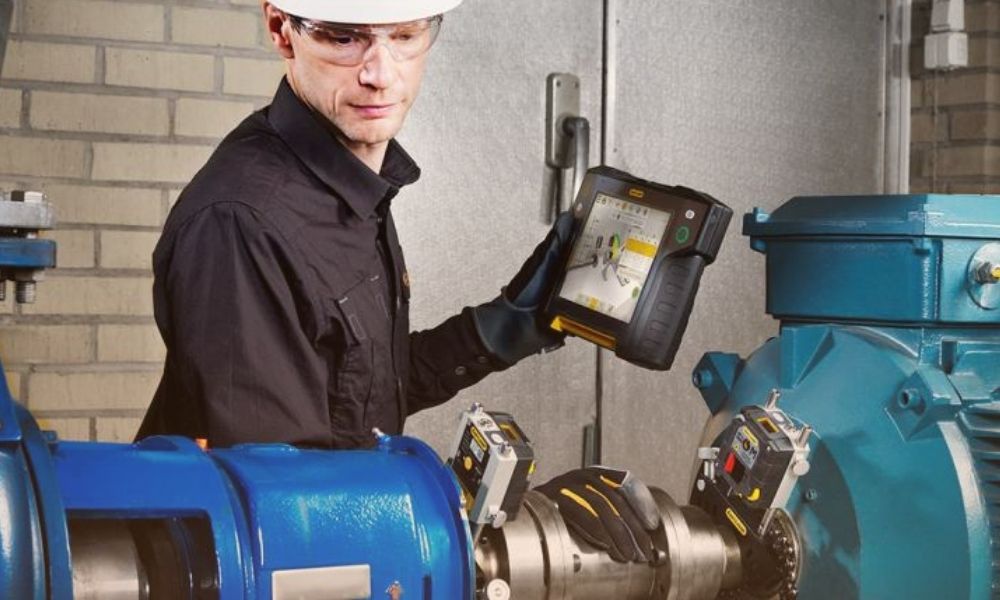
Vibration analysis is one of the most popular and frequently utilized cbm technologies in various organizations. Technicians use it to detect patterns in vibration signals and monitor their levels.
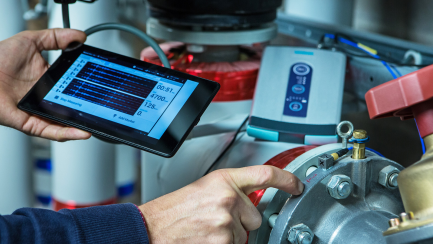
Technicians frequently analyze both the time waveforms and the frequency spectrum of the vibration signal. Frequency analysis assesses the repeatability of vibration patterns by decomposing time waveforms. This enables quick and accurate frequency analysis as well as the creation of various digital noise filters.
Measuring Vibration
You can use different types of sensors, such as piezoelectric (PZT) or micro-electromechanical sensors, to monitor vibration. Moreover, proper sensor placement is crucial to capture high-quality data. The preferred way for mounting sensors is to stud mount them on a clean, flat surface. This ensures the capturing of a broad and smooth frequency range.
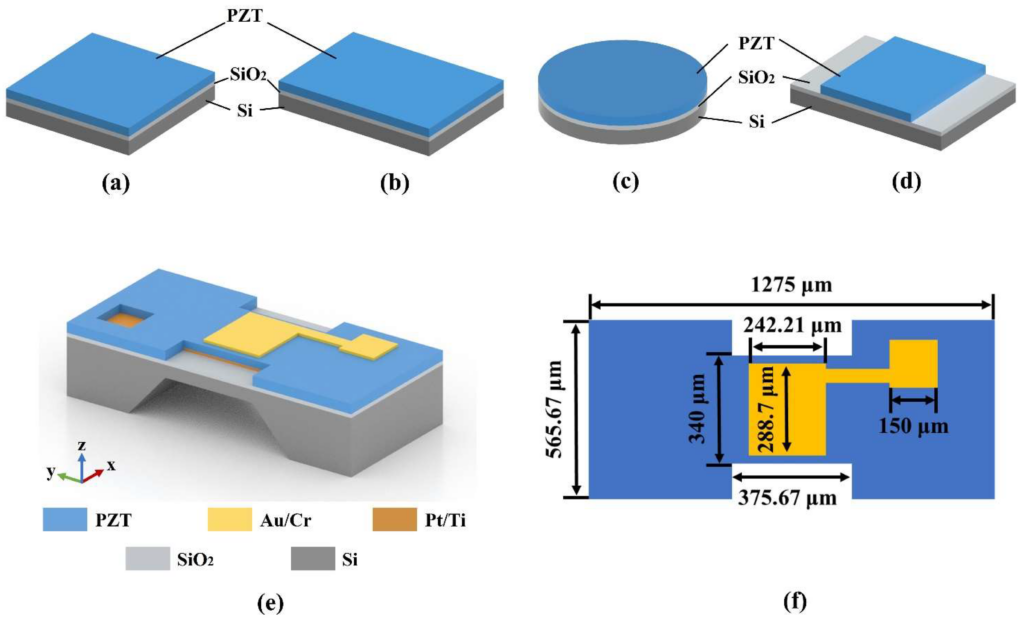
To thoroughly assess vibration exposure, you must measure vibration acceleration in meters per second squared (m/s²). You also determine the direction and frequency of vibrations, as well as the length of exposure. Furthermore, because hand-grip force affects how much vibrational energy enters the hands, you must consider it as another key factor.
Fundamental Information About Vibration
Vibration is a physical phenomenon that occurs in operating spinning machines and moving structures, independent of their state of health. Rotating shafts, meshing gear teeth, rolling bearing components, fluid fluxes, and other factors can cause vibrations. Vibration analysis is a very useful tool for determining the operating characteristics and state of rotating machinery and structures due to its widespread use. You can express the displacement, velocity, and acceleration of vibrations in several ways.
What Vibration Analysis Detects
You can pre-determine acceptable operating vibration limits using long-term operation and maintenance history or published guidelines. If the machine exceeds these limits, it may indicate that its general health is degrading and faults have developed. For example, a fissure in the outer race of a roller bearing will cause frequent collisions with the bearing rollers.
- Bearings, gears, shafts, and freewheels are all examples of components.
- Gearboxes, motors, fans, and drive trains are examples of rotating machinery.
- Piston engines, reciprocate compressors, pumps, and door mechanisms are examples of reciprocating machinery.
Vibration analysis has also been used in the monitoring of structure health, including, but not limited to:
- Bridges
- Pipes
- Blades of a turbine
Advantages:
- Reaction in real-time to changes in health conditions
- Remote condition monitoring is possible.
- Predictive maintenance requires well-established processing and signal analysis methods or algorithms.
- Supported by a variety of commercially accessible sensors for varied operational scenarios
Limitations:
- It’s difficult to pinpoint the source of a problem.
- Monitoring crack propagation is difficult.
- There are a lot of prerequisites for a good system setup.
Detecting Incipient Machine Issues
The following are some of the most typical reasons for excessive vibration levels in machines:
- Wear: Due to age, usage, and duration of operation, machine parts may inevitably wear and degrade, resulting in excessive vibration amplitude levels.
- Design: Errors in design might cause machines to vibrate more than they should. We’ve had several field experiences with centrifugal pumps where inadequate design layouts of suction and discharge lines caused pipe strain.
- Maintenance: Vibration levels in machinery might be greater than usual due to poor maintenance procedures. Behaviors such as smashing a bearing, using improper replacement parts, and providing insufficient lubrication cause high vibration and early wear of machine components.
- Assembly: Improper machine part assembly can cause eccentricity concerns, causing parts to be out of alignment from the start of operations.
- During operation, vibration amplitude levels can skyrocket if you use the equipment outside the manufacturer’s specifications. For example, operating a pump beyond its limits can induce cavitation (visible in vibration spectrum graphs), which dramatically shortens the asset’s life.
- Installation: Misfit bearings / bearing housings are a typical source of excessive vibration, as they can produce play and tolerances that are outside of specification.
Other most common reasons for anomalous machine vibration are listed below:
- Gear-related issues: Gear teeth that are broken or worn out might create vibrations.
- Bearing Deterioration: Damage to the inner ring, outer ring, housing, or rolling components can cause roller bearing vibration. Shaft position or fluid film concerns might cause sleeve bearing vibration (resulting in oil whip or oil whirl).
- Looseness: When a component vibrates as a result of loose bearings, structural difficulties (e.g., loose bolts, machine not correctly connected to its mounts), or rust, it is said to be vibrating.
- Misalignment: The axes of a machine are the motor and pump shafts are out of line, which might be angular (shafts meet at a point but are not parallel) or parallel (shafts are parallel, but not inline).
- Imbalance: When an uneven weight rotates around the axis of a spinning component, it causes a centrifugal force. The greater the imbalance, the faster the rotation is.
Resolving Problems
If you see that machine vibration levels are rising above usual, it may suggest that you need to investigate the source or take prompt action to avoid catastrophic failure. It’s critical to comprehend how aberrant vibration arises in order to determine the most efficient methods for reducing its impacts. The following are some examples of best practices:
- Developing a Culture of Proper Maintenance: Vibration difficulties will be kept to a minimum if excellent maintenance procedures are followed. It is preferable to work in a workplace that promotes a well-defined maintenance culture. Wherever feasible, technology and non-intrusive maintenance procedures (vibration analysis, oil analysis, thermography, and so forth) should be used.
- Training: Furthermore, personnel involved in machine operations and maintenance must be properly trained in best-practice procedures to improve their interaction with key machinery.
- Measure and analyze vibration data regularly, as this helps detect early changes in a machine’s condition. It also identifies potential flaws and their causes. Consequently, you can recommend precautions to prevent secondary damage or catastrophic in-service failures.
CRE Philippines Now Offers Vibration Analysis Public Classes
CRE Philippines is now organizing public classes for vibration analysis that allow for face-to-face interactions. Our vibration analysis training is compliant to ISO 18436-2. Elevate your skills and get certified via Mobius Institute Board of Certification [MIBoC]™.