



Precision and accuracy have become paramount in the ever-evolving landscape of industrial machinery maintenance. Maintenance professionals rely on data-driven decision-making to ensure optimal performance and durability of machinery.
“Oil analysis provides insights into machinery and lubricant condition, with oil sample bottles playing a crucial role in the process. This blog series explores how advanced oil sample bottles transform how maintenance professionals approach machinery health assessment.
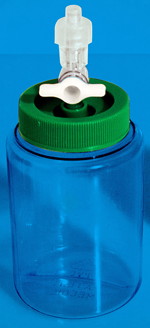
Traditional oil sample bottles were once simple containers for holding oil. However, improvements in materials, design, and manufacturing have produced advanced bottles with enhanced features. These innovations preserve sample integrity, ensuring that the data accurately reflects machinery condition. Features such as airtight seals, tamper-evident closures, and integrated labels help maintain sample reliability. Maintenance professionals can now trust that their collected samples provide a true picture of equipment health.
Cleanliness
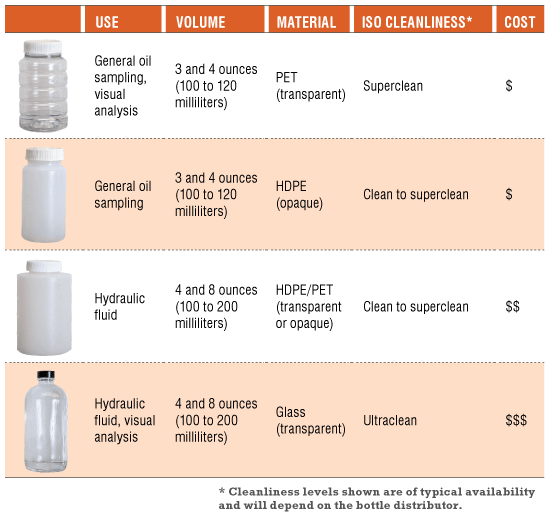
One of the often-overlooked factors in oil analysis is the sample bottles’ cleanliness. Contaminated bottles can introduce foreign particles and chemicals into the samples, skewing the analysis results. address this concern using high-quality materials resistant to leaching and contamination. Additionally, these bottles are designed to minimize the risk of external contaminants entering the bottle during sample collection, storage, and transportation. This attention to bottle cleanliness contributes to the reliability and accuracy of the analysis process.

Material and Size
The choice of material and size for oil sample bottles can impact the quality of the collected samples. Advanced bottles are made from materials inert to the oil being analyzed, ensuring no interaction between the bottle and the sample. This prevents any alteration of the sample’s properties over time. Furthermore, these bottles come in various sizes, catering to many machinery types and oil volumes. A proper match between the bottle size and the importance of the oil to be sampled is crucial for obtaining representative data.
Collection
Collecting oil samples might seem straightforward, but it requires a meticulous approach to ensure accurate results. Advanced sample bottles often come with built-in features that simplify the sampling process. Some bottles include vacuum-assist options that help draw in oil from the machinery, reducing the risk of external contaminants entering the bottle. Using proper sampling techniques like collecting from the correct location and preventing cross-contamination is essential for reliable analysis. By combining these best practices with advanced bottles, maintenance professionals can significantly improve the accuracy of their machinery health assessments.
Conclusion
As machinery maintenance continues its evolution towards data-driven precision, the role of advanced oil sample bottles takes center stage. Part one of this comprehensive blog series has highlighted the indispensable significance of these bottles in ensuring a realm of accurate and dependable oil analysis. Our exploration ventured into their innovative features, emphasizing the profound impact of bottle cleanliness, the meticulous selection of materials and sizes, and the intricate artistry of proper sample collection. But let’s remember; this is the prologue to our voyage into the realm of advanced oil sample bottles.
As we await the next chapter of this enlightening series, seize an opportunity to transform your machinery maintenance approach. Take a step forward with the CRE Philippines’ MachineDiagnostics™ Program, which incorporates cutting-edge oil analysis practices. Explore the program by contacting us and embark on a journey to amplify your maintenance prowess. Your machinery’s future awaits—will you rise to meet it?
Source:
Fitch, B. (2014, February). Anatomy of a Representative Oil Sample: Part 1 – Sample Bottles. Machinery Lubrication. https://www.machinerylubrication.com/Read/29662/oil-sample-bottles