


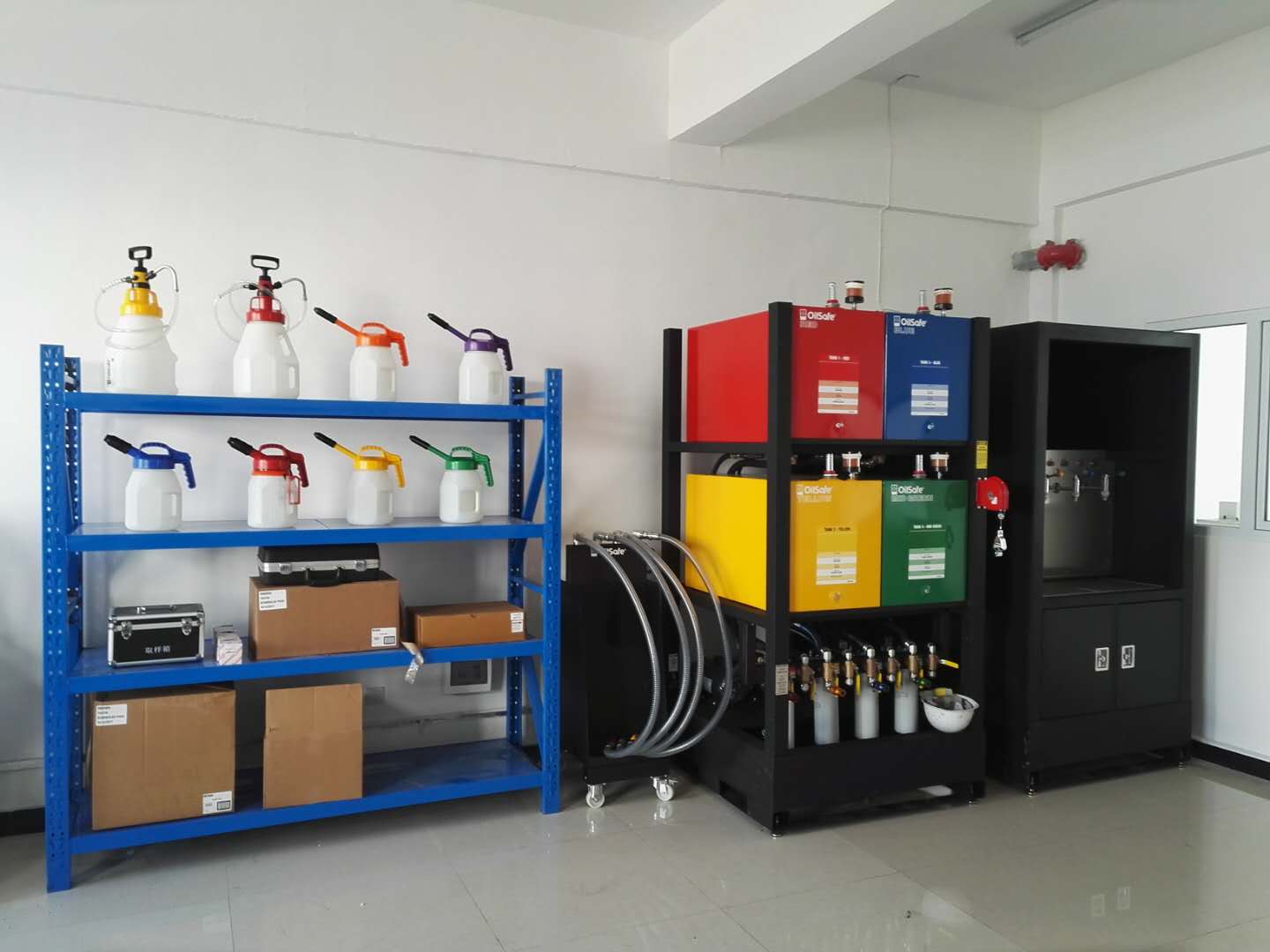
When it comes to maintenance in industrial settings, few things are as critical as proper lubrication management. Lubricants play a pivotal role in keeping machinery running smoothly, reducing friction, preventing wear and tear, and ultimately extending the lifespan of equipment.
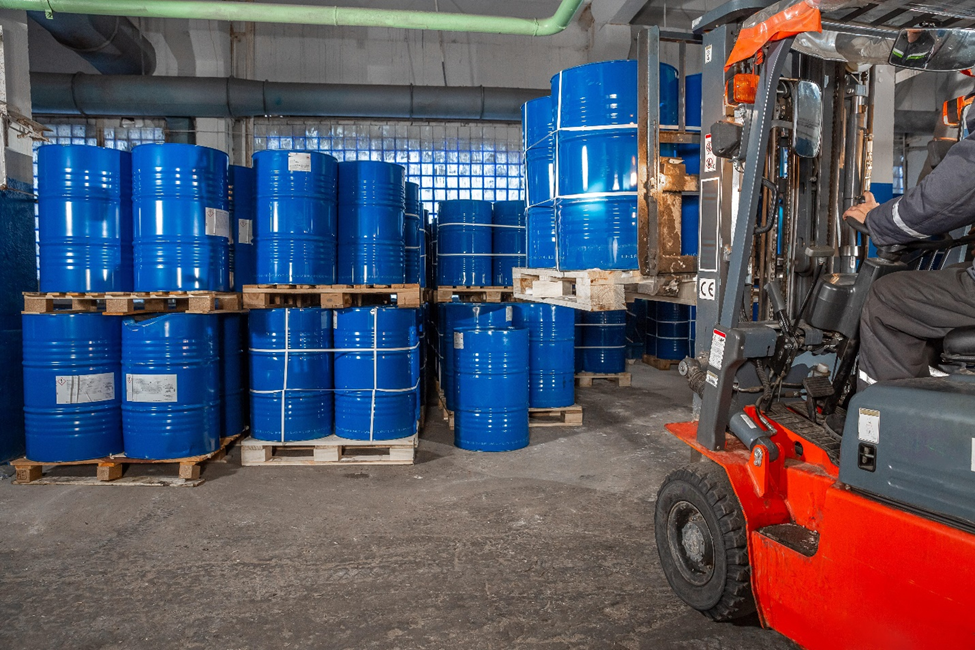
Using clean, healthy, ready-to-use lubricants is essential to properly maintain machine assets. Many organizations neglect to inspect new shipments for cleanliness, even though technicians frequently use oil analysis to monitor in-service lubricants. Certain facilities might not have clear guidelines when it comes to their suppliers, which makes it difficult to hold them responsible for problems like viscosity shipments that are inaccurate or dirty.
In order to ensure proper lubricant storage and condition monitoring in the early stages of the lubricant lifecycle, it is essential to establish and uphold standards.Keeping lubricants cleaner and better protected by following these rules reduces total cost of ownership, decreases the need for oil changes, and minimizes wear on seals and other components. To protect investment in machine assets and lubricants, high standards for receiving, storing, and maintaining new lubricants are essential. In this article, we’ll delve into one of the most common myths according to Machinery Lubrication about new oil and why it needs to be debunked.
Understanding the Myth: New Oil Equals Clean Oil
Many assume that new oil straight from the drum is pristine and ready for immediate use. However, this couldn’t be further from the truth. During storage, transportation, and handling, lubricants can become contaminated with particles, moisture, and even air. These contaminants compromise the oil’s integrity and effectiveness, leading to accelerated equipment wear and potential breakdowns.
The following four factors are the primary causes of contamination in the manufacturing process:
- The formation of raw materials
- The packaging containers
- The manufacturing process
- The manufacturing environment
Trivia: Lubricant manufacturers often use screens to catch unwanted materials during blending, but they only use filters for larger particles. To increase equipment life by 35%, cleaning lubricants by one cleanliness code can be beneficial. It’s important to verify the filter sizes used and request a small, particle-capturing filter if needed, as these screens help control contamination.
The Importance of Proper Lubricant Reception and Storage
Receiving
Proper reception and storage of lubricants are fundamental steps in ensuring their integrity and effectiveness. Use of substandard lubricants raises the possibility of serious harm and machine failure. A strict quality control procedure must be implemented to guarantee businesses get the quality they paid for.
Work with the Supplier
Before negotiating with a lubricant manufacturer, it is crucial to agree on delivery time, accompanying documents, and agreed-upon cleanliness standards. This will establish acceptable lubrication standards and align expectations between parties, ensuring a smooth and efficient process for the first delivery.
Consider requesting a Certificate of Analysis (COA) as an accompanying document. This document contains information about the lubricant, including:
- Base stock quality
- Additive quality and concentration
- Lubricant performance
- Thickener performance properties
- Contaminant and foreign additives presence
Table 1 specifies the lubricant tests that can be used to assess five new lubricant qualities. These tests are expensive. It is important to choose them carefully so that a facility can obtain the information it needs without going over budget.
| Test or Property | Base Oil Quality | Additive Treat | Overall Lubricant Performance | Thickener Properties (Grease) | Contamination and Cross-Mixing Between Lubricants |
| Viscosity (40C and 100 C, high temp/shear, etc.) | X | X | X | X | X |
| Cold cranking and pumping viscosity | X | X | X | ||
| Flash point | X | X | X | ||
| Pour Point | X | X | X | ||
| Cloud point | X | X | X | ||
| Aniline point | X | X | X | ||
| Nitrogen | X | X | |||
| Color | X | X | |||
| Interfacial tension | X | X | X | ||
| Acid number/base number | X | X | |||
| Elemental spectroscopy | X | X | X | ||
| Oxidation stability | X | X | X | X | |
| Rust tendency | X | X | |||
| Copper strip | X | X | X | ||
| Foam stability/tendency | X | X | X | ||
| Air release | X | X | X | ||
| Hydrolytic stability | X | ||||
| Thermal stability | X | X | |||
| Shear stability | X | X | |||
| Demulsibility | X | X | X | X | |
| Film strength (4-ball, etc.) | X | X | |||
| Filterability | X | X | X | ||
| Bleed resistance | X | X | |||
| Dropping point | X | X | |||
| Grease consistency | X | X | |||
| Particle count | X | ||||
| Moisture analysis | X | ||||
| Storage stability | X | X |
Best Practices for Lubricant Reception and Storage
Inspect Upon Arrival: Always inspect lubricant drums upon delivery for any signs of damage or contamination. Even minor dents or scratches can compromise the seal and allow contaminants to enter the oil.
Store in Controlled Conditions: Maintain a designated storage area that is clean, dry, and free from temperature fluctuations. Ideally, lubricants should be stored indoors away from direct sunlight and extreme temperatures.
Use Sealed Containers: Transfer lubricants from bulk drums to smaller, sealed containers to minimize exposure to air and moisture. Ensure that containers are properly labeled with relevant information such as product type, batch number, and expiration date.
Implement FIFO (First In, First Out) Rotation: Adopt a FIFO system to ensure that older lubricants are used before newer ones. This helps prevent oil degradation due to prolonged storage and ensures that fresh lubricants are always available for use.
Invest in Proper Handling Equipment: Use dedicated equipment such as pumps, funnels, and filtration systems to minimize the risk of contamination during transfer and dispensing.
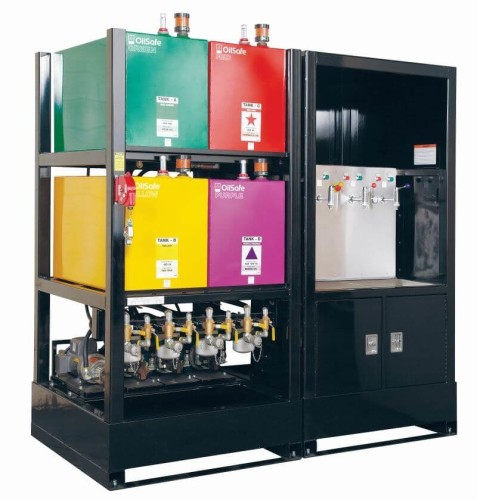
By following these guidelines, maintenance professionals can mitigate the risk of lubricant contamination and maintain optimal oil quality throughout its lifecycle. This, in turn, contributes to the effectiveness of preventive maintenance programs and helps maximize equipment reliability and uptime.
Elevate Your Lubrication Management with Expert Training
In conclusion, while new oil may not always be clean oil, proper reception and storage practices can ensure that lubricants maintain their integrity and effectiveness, ultimately supporting the goals of maintenance and preventive maintenance initiatives. Proper lubricant reception and storage are critical components of any maintenance and preventive maintenance program. By adhering to best practices and investing in training, reliability professionals can safeguard equipment reliability and longevity.
CRE Philippines offer comprehensive MLT I/MLA I Machinery Lubrication Training programs designed to equip maintenance teams with the knowledge and skills needed to optimize lubricant management practices. Our training covers essential topics such as lubricant selection, handling, and analysis, empowering participants to implement effective lubrication strategies that enhance equipment performance and reliability.
We also provide Lubrication Program Development, in partnership with Noria. With this, it will only take man-weeks or months to design and implement a world – class lubrication program that would normally take you man-years or decades to finish. We will take care of the work to provide you with comprehensive work plans for training and condensed, simplified work plans for daily execution, allowing you to concentrate on your strengths.