

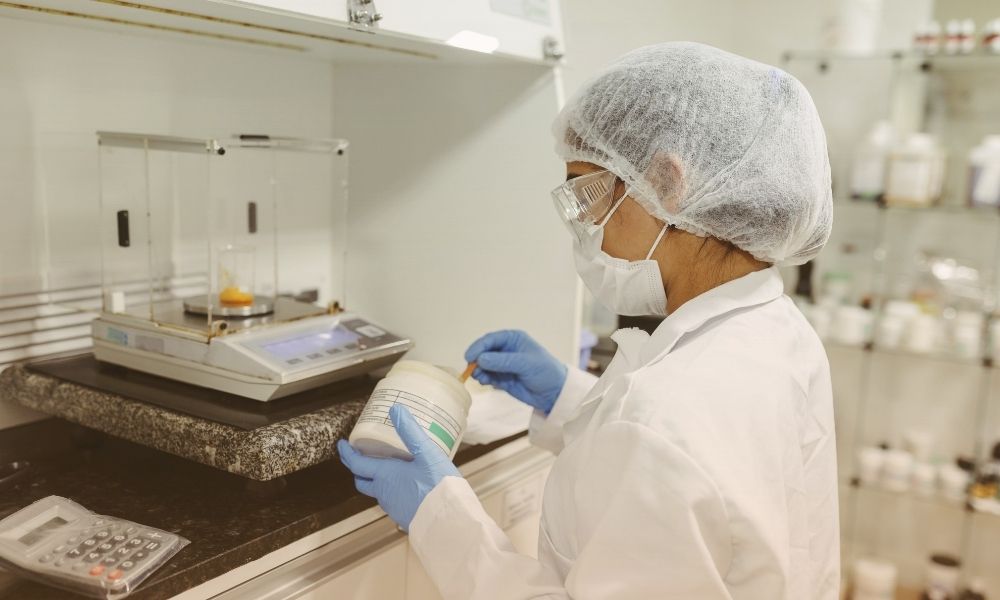
To get a good return on investment (ROI), you need to learn how to choose the right machine to include in your oil analysis program. Including all lubricated or hydraulic systems and components in the program is rarely cost-effective. Machine selection for an oil analysis program may be done in a variety of ways.
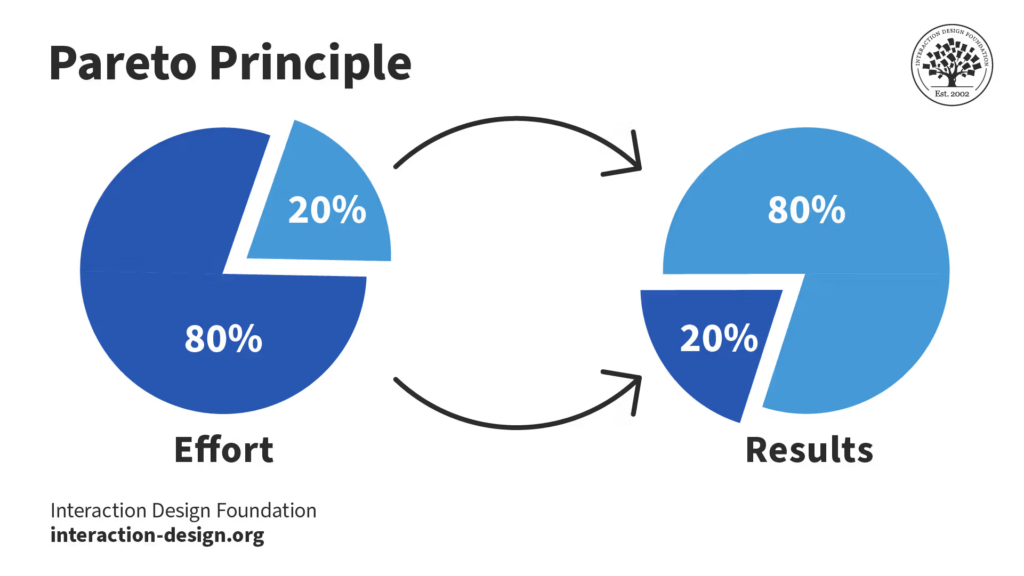
According to the Pareto principle, the top 20% of your important machines have the ability to generate 80% of your issues. It is quite straightforward to make a judgment on machine selection utilizing this basic method.
Focusing on the top 20% of raw criticality values for machine selection compromises the Pareto principle. Compile a list of all machines and their related criticality values before computing the actual proportion of machines. Technicians then determine the exact cutoff point using basic math.
Sump volume and fluid environment severity should also be considered. Criticality alone would suggest the same oil analysis strategy for each machine or component. Technicians then determine the exact cutoff point using basic math.
Pareto Principle
The 80:20 rule, often known as the Pareto principle, is an approach for working smarter in your maintenance business. According to the study, 20% of the causes of failure are accountable for 80% of failures. The important few are the reasons that are within your control and on which you should concentrate your efforts. Particle contamination, moisture contamination, or the use of the incorrect lubricant are all possibilities.
Designing a World-Class Oil Analysis Program
Creating a successful oil analysis program necessitates careful preparation. When plant workers decide to engage in oil analysis, they frequently select a lab and begin shipping samples without first considering their goals. This “shoot first, ask questions later” attitude to oil analysis is a surefire formula for disaster. Instead, the program should be built with a well-thought-out game plan based on a set of defined dependability objectives.
1. Setup of the Initial Program
An oil analysis program’s entire structure and basis should be based on strong reliability engineering goals. These objectives should lead the end-user through the design and implementation of the program. Technicians frequently perform FMEA (failure mode and effects analysis) as part of a larger reliability-centered maintenance (RCM) program. The FMEA method examines each important asset and selects test slates, sample frequencies, and limitations based on component type, application, and previous failures. When projects are badly planned, the lowest bidder usually ends up being the lab of choice.
2. Strategy for Sampling
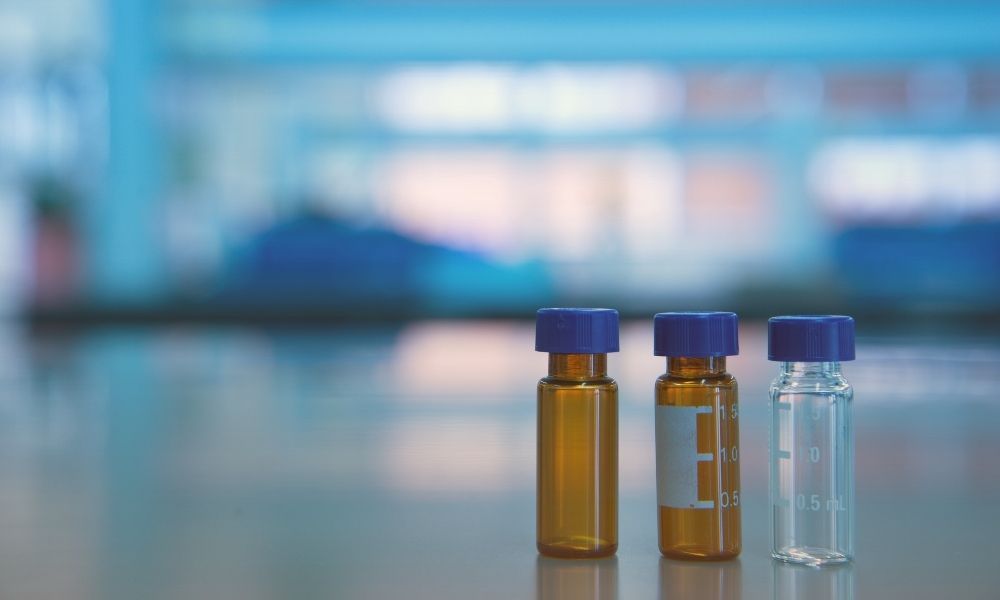
The saying “garbage in, rubbish out” certainly applies to oil analysis. While most oil analysis laboratories may advise on where and how to sample different components, the end-user must bear the final responsibility for sampling strategy. The sample technique and procedure, as well as the cleanliness and hardware of the bottles, all play a role in the sampling equation.
3. Sample Analysis and Data Logging
The first step is to ensure proper documentation of the sample and subsequent data so you can perform trend analysis and monitor rate-of-change limitations. The end-user is responsible for ensuring that the information logged and utilized for diagnostic interpretation is consistent. End users are completely at the mercy of the lab’s quality assurance (QA) and quality control methods in this area. How often does the lab run QA samples known chemical compositions added to daily tests to confirm that instruments stay within acceptable QC limits? Is it every ten samples, every fifty, or not at all? What about specialized training in used oil analysis? Have lab technicians been dispatched?
4. Prognosis and Data Diagnosis
It’s a symbiotic relationship between evaluating data and making relevant condition-based monitoring (CBM) choices. To make sense of the data, the end-user requires the expertise of the lab diagnosticians. Unless someone expressly notifies them, the lab cannot determine whether a component has been running hot for a few months
5. Cost-benefit analysis and performance monitoring
Oil analysis works best when it tracks measurements or benchmarks set during the planning stage. In this case, particle count data serve as performance indicators, allowing technicians to measure compliance with the specified reliability criteria. The final stage is to assess the success of the oil analysis program on a yearly basis.
Any condition-based maintenance program must include oil analysis. It can forewarn imminent failure or point to areas of opportunity when applied correctly. Don’t assume that filling the sample bottle with oil will give you the results you want. Participate, ask questions, visit the lab, and take charge of your oil analysis program – it might be the finest time investment you’ve ever made!
CRE MachineDiagnostics™ Program
With CRE, you can start your MachineDiagnostics™ Program with oil analysis, knowing that you’ll have our complete support every step of the way. Our program also includes a complimentary lecture, Machine Wear Analysis Basic Seminar, to guarantee that your employees are well-versed in lubrication best practices. We also have a dedicated support team that takes care of any issues you may have with our reports.