

Oil analysis is one of the most effective tools for improving equipment reliability, yet many facilities struggle to properly interpret and use oil analysis data. In Philippine industrial plants such as food manufacturing, cement production, mining, power generation, and general manufacturing, oil analysis reports are often underutilized despite their critical role in predictive maintenance programs.
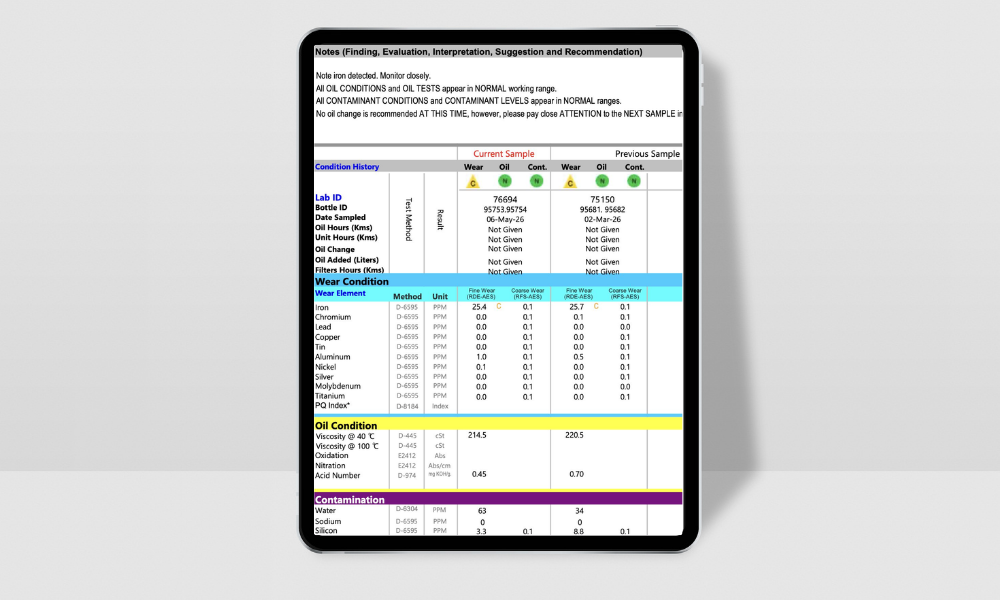
According to Machinery Lubrication, oil analysis reports provide essential information on lubricant condition, contamination levels, and machine wear. When interpreted correctly, these reports help maintenance teams detect early signs of failure before costly downtime occurs.
Understanding What Oil Analysis Reports Reveal
Oil analysis reports are designed to monitor three critical areas:
- Lubricant condition
- Contamination
- Machine wear
These reports typically include data on viscosity, particle counts, moisture levels, wear metals, oxidation, and additive conditions. Together, these indicators help determine whether lubricants are still fit for service and whether machine conditions are deteriorating.
Machinery Lubrication emphasizes that viscosity is one of the most important lubricant properties because it directly affects film strength and machine protection.
Interpreting Viscosity Results
Viscosity directly affects a lubricant’s ability to protect machine components. According to Machinery Lubrication, viscosity changes beyond ±10% of the lubricant’s intended grade are generally considered abnormal and may indicate contamination or lubricant degradation.
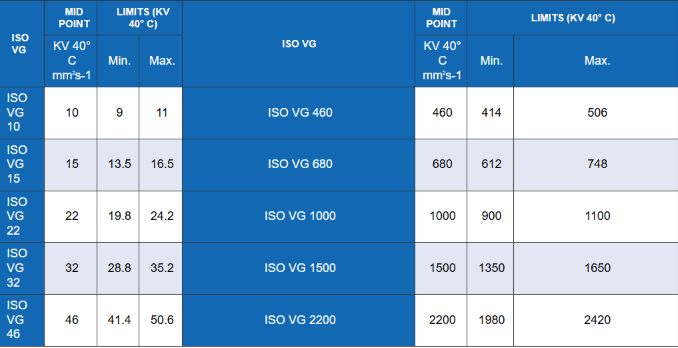
In Philippine industrial environments, viscosity changes are commonly influenced by:
- High operating temperatures
- Moisture contamination from humidity
- Dust contamination
- Oxidation from extended oil service life
- Incorrect lubricant mixing during handling or top-up
High Viscosity May Indicate:
- Oxidation
- Excessive heat exposure
- Contamination
- Improper lubricant mixing
Low Viscosity May Indicate:
- Fuel dilution
- Shearing of lubricant additives
- Incorrect lubricant application
- Cross-contamination with lower-viscosity oils
Monitoring viscosity trends helps maintenance teams detect early signs of oil degradation, contamination, or incorrect lubricant use before they develop into equipment failures.
For a more comprehensive understanding of oil analysis interpretation, including how viscosity, contamination, and wear indicators are evaluated together in real maintenance conditions, CRE Philippines provides this guide: Understanding Oil Analysis Report Interpretation: A Comprehensive Guide.
Why Oil Analysis is Critical in Philippine Industrial Environments
In Philippine industrial environments, oil analysis becomes even more important because of operating conditions such as:
- High humidity
- Airborne dust and contaminants
- High operating temperatures
- Long equipment operating hours
- Inconsistent lubricant handling and storage practices
These conditions accelerate lubricant degradation and contamination, increasing the risk of premature bearing wear, gearbox damage, hydraulic system failures, and unexpected downtime.
Without a structured oil analysis program, many facilities only discover lubrication problems after equipment performance has already been affected.
Common Problems Identified in Oil Analysis Reports
A properly interpreted oil analysis report can help detect several reliability risks early.
High Contamination Levels
- Elevated particle counts may indicate dirt ingress, poor filtration, or improper lubricant handling practices.
Water Contamination
- Moisture contamination is especially common in Philippine plants because of humidity and condensation. Water accelerates oxidation and reduces lubricant performance.
Elevated Wear Metals
- Increased levels of iron, copper, or aluminum may indicate active component wear inside the equipment.
Identifying these problems early allows facilities to take corrective action before major equipment failures occur.
Turning Oil Analysis into Reliability Action
Oil analysis should not only generate reports, but it should drive maintenance decisions.
Effective programs use:
- Trend analysis
- Alarm limits
- Contamination control strategies
- Corrective maintenance actions
Facilities that actively use oil analysis data often achieve:
- Reduced equipment failures
- Lower maintenance costs
- Improved reliability
- Better maintenance planning
How CRE Philippines Supports Machine Reliability
CRE Philippines provides structured capability development programs designed to help industrial facilities in the Philippines improve lubrication reliability and oil analysis performance under real plant conditions.
CRE Oil Analysis Report Interpretation Workshop focuses on strengthening oil analysis practices through better interpretation of results, improved contamination control strategies, and practical, reliability-driven implementation to support day-to-day maintenance decisions.
Machinery Lubrication Training is designed to build core competency in lubrication management, oil analysis fundamentals, condition monitoring, and reliability-centered maintenance practices, helping maintenance teams apply structured lubrication principles directly in the field.
If your facility is looking to improve lubrication reliability, strengthen oil analysis capability, or reduce contamination-related failures, contact us now to learn how CRE Philippines can support your maintenance and reliability goals.
Conclusion
Oil analysis reports are more than laboratory outputs; they are critical reliability tools that help detect contamination, lubricant degradation, and machine wear before failure occurs.
In Philippine industrial plants, where humidity, contamination, and harsh operating environments accelerate lubricant breakdown, structured oil analysis programs are essential for improving reliability, reducing downtime, and extending equipment life.
Organizations that understand and act on oil analysis data are better positioned to move from reactive maintenance toward proactive reliability strategies.