


Why Industrial Lubrication Fundamentals Training Matters
Lubrication Fundamentals Training program is designed to provide maintenance and reliability professionals with the essential knowledge and practical skills needed to implement effective lubrication practices that improve equipment reliability and operational efficiency.
Lubrication is one of the most important yet often overlooked aspects of machinery reliability and maintenance performance. Poor lubrication practices can lead to premature equipment failure, increased downtime, higher maintenance costs, contamination problems, and reduced asset life. In many industrial facilities, lubrication-related failures remain one of the leading causes of machinery breakdowns.
Based on internationally recognized lubrication best practices and training methodologies from Noria Corporation, this course introduces participants to the foundational principles of lubrication excellence, contamination control, lubricant handling, machine inspection, and lubrication management.
Industrial lubrication is far more than simply adding oil or grease to machinery. Effective lubrication programs help organizations:
- Reduce unplanned equipment downtime
- Extend machinery life
- Minimize wear and friction
- Improve machine efficiency
- Lower maintenance and repair costs
- Prevent contamination-related failures
- Strengthen predictive maintenance initiatives
- Improve workplace safety and housekeeping
This training focuses on the real-world lubrication tasks performed daily in industrial environments and helps participants understand why proper lubrication directly impacts machinery performance and reliability.
Participants will also gain practical understanding of lubrication best practices for equipment such as:
- Gearboxes
- Hydraulic systems
- Electric motors
- Compressors
- Pumps
- Turbines
- Blowers and fans
- Diesel engines
- Rolling mills
- Hydrostatic transmissions
The course supports organizations aiming to build or strengthen a world-class lubrication excellence program and reliability-centered maintenance culture.
Industrial Lubrication Fundamentals Training Requirements
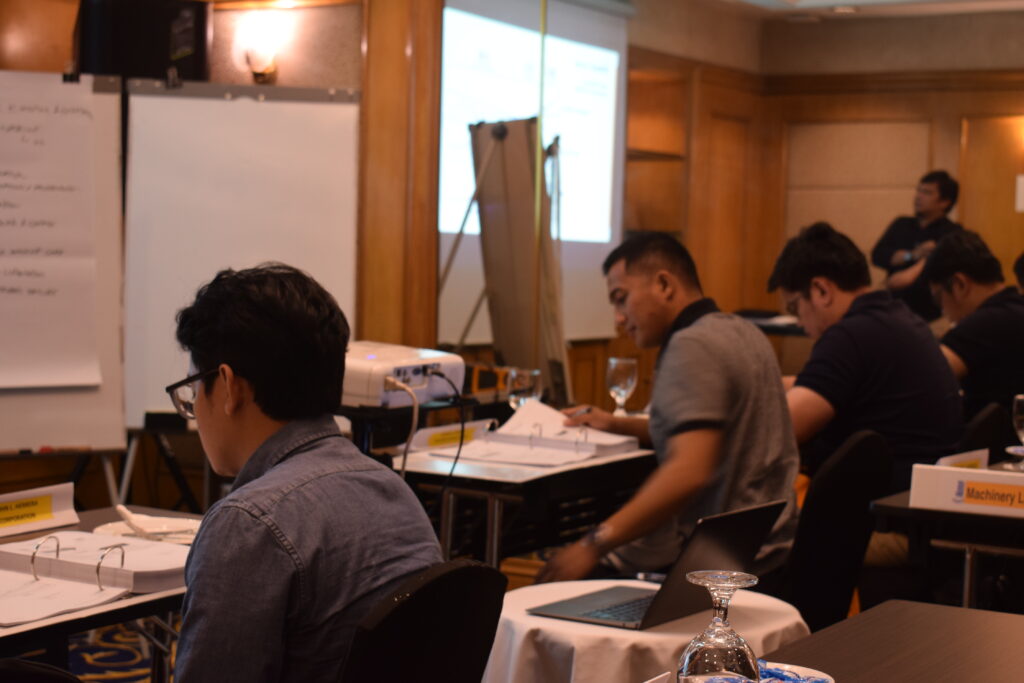
The CRE Industrial Lubrication Fundamentals Training is designed as an entry-level to intermediate course suitable for personnel involved in machinery lubrication, maintenance, and reliability activities.
Recommended Requirements
Participants should ideally have:
- Basic understanding of industrial equipment or maintenance operations
- Interest in machinery reliability and lubrication practices
- Involvement in maintenance, lubrication, inspection, or operations activities
- Willingness to participate in practical exercises and discussions
No Advanced Technical Background Required
This course is specifically structured to support participants with little or no formal lubrication training. According to Noria’s training framework, Industrial Lubrication Fundamentals is intended for individuals responsible for lubrication-related tasks who need practical, task-focused knowledge.
Helpful Experience Areas
While not mandatory, experience in the following areas may be beneficial:
- Preventive maintenance
- Lubrication handling
- Equipment inspection
- Condition monitoring
- Machine operations
- Reliability programs
The course provides a strong foundation for professionals beginning their journey into industrial lubrication and machinery reliability.
What You’ll Learn in Industrial Lubrication Fundamentals Training
The CRE Industrial Lubrication Fundamentals Training combines essential lubrication theory with practical industrial applications to help participants improve lubrication practices and machinery reliability.
Core Learning Topics
Fundamentals of Industrial Lubrication
- Purpose and functions of lubricants
- Understanding friction, wear, and lubrication regimes
- Types of lubricants and their applications
- Lubrication terminology and principles
Lubricant Selection and Application
- Selecting the correct lubricant for machinery
- Oil and grease characteristics
- Proper lubricant application methods
- Avoiding over-lubrication and under-lubrication
Lubricant Storage and Handling
- Receiving and inspecting new lubricants
- Proper lubricant storage practices
- Maintaining lubricant cleanliness
- Managing lubricant containers and transfer equipment
Contamination Control
- Understanding contamination sources
- Particle contamination and moisture control
- Filtration best practices
- Preventing lubricant degradation
- Improving lubricant integrity
Contamination control is one of the most critical aspects of machinery reliability and lubrication excellence.
Lubrication Tasks and Best Practices
- Safe lubrication procedures
- Daily lubrication activities
- Machine lubrication scheduling
- Inspection routines and field checks
- Lubricant sampling techniques
Machinery Inspection and Condition Monitoring
- Conducting visual inspections
- Identifying abnormal machine conditions
- Detecting lubricant-related failures
- Understanding lubrication-related warning signs
Safety and Environmental Awareness
- Lubrication safety practices
- Leak and spill response
- Hazardous material handling
- Environmental considerations in lubrication management
Reliability and Lubrication Excellence
- Supporting reliability-centered maintenance (RCM)
- Building lubrication excellence programs
- Improving machine reliability through proper lubrication
- Developing proactive maintenance practices
Practical Workshops and Interactive Learning
- Real-world lubrication scenarios
- Case studies and troubleshooting exercises
- Group discussions and practical examples
- Hands-on lubrication best practices
By the end of the course, participants will have the confidence and practical understanding needed to perform lubrication tasks more effectively and contribute to improved equipment reliability.
Who Should Attend Industrial Lubrication Fundamentals Training
This training is ideal for professionals responsible for lubrication activities, machinery maintenance, equipment inspections, and reliability improvement.
Ideal Participants Include
- Lubrication Technicians
- Maintenance Technicians
- Maintenance Engineers
- Reliability Engineers
- Predictive Maintenance Technicians
- Machine Operators
- Millwrights
- Mechanics
- Multicraft Technicians
- Condition Monitoring Personnel
- Maintenance Supervisors
- Plant Engineers
- Operations Personnel
Noria identifies lubrication technicians, maintenance technicians, inspectors, and reliability personnel as key beneficiaries of Industrial Lubrication Fundamentals training.
Applicable Industries
The training is highly valuable across industries such as:
- Manufacturing
- Oil and Gas
- Mining
- Power Generation
- Cement
- Food and Beverage
- Chemical Processing
- Marine
- Utilities
- Heavy Industry
- Transportation
Whether participants are new to industrial lubrication or seeking to improve existing lubrication practices, this training delivers practical knowledge applicable to real industrial environments.
Why Choose Industrial Lubrication Fundamentals Training
CRE provides practical, industry-focused training designed to improve workforce capability, machinery reliability, and maintenance performance.
Industry-Based Practical Learning
The training emphasizes real-world lubrication activities and practical maintenance tasks instead of purely theoretical discussions.
Reliability-Centered Approach
Participants learn how proper lubrication practices directly impact:
- Equipment reliability
- Asset life
- Maintenance costs
- Operational efficiency
- Downtime reduction
Based on International Best Practices
The course incorporates globally recognized lubrication excellence methodologies and concepts aligned with industry leaders such as Noria Corporation.
Interactive and Hands-On Training
Participants benefit from:
- Interactive exercises
- Practical case studies
- Group discussions
- Real-world lubrication scenarios
- Hands-on learning activities
Suitable for All Experience Levels
The course is designed to support both beginners and experienced maintenance personnel by providing practical, easy-to-understand instruction.
Immediate Workplace Application
Participants leave the training with actionable lubrication strategies they can immediately apply to:
- Improve machine reliability
- Reduce contamination
- Enhance lubrication procedures
- Support predictive maintenance efforts
- Improve overall plant performance
Take the Next Step
Strengthen your organization’s lubrication practices and improve machinery reliability with the CRE Industrial Lubrication Fundamentals Training program.
Equip your maintenance and reliability teams with the essential lubrication knowledge needed to reduce equipment failures, improve contamination control, extend machinery life, and support proactive maintenance strategies.
Build the foundation for lubrication excellence and reliability improvement through practical, industry-focused training designed for real operational environments.
Contact CRE today to learn more about upcoming training schedules, onsite programs, and customized corporate training solutions.