



Food manufacturing facilities operate under strict hygiene and regulatory requirements where even small operational failures can lead to serious consequences. One often overlooked but critical area is lubrication management. Improper lubrication practices can result in equipment failure, contamination risks, and non-compliance with food safety standards. Structured lubrication systems using food-grade lubricants are essential in regulated environments.
Why Lubrication Matters in Food Manufacturing
Lubrication plays a key role in reducing friction, preventing wear, and ensuring smooth operation across systems such as conveyors, mixers, fillers, and packaging machines. However, in food-grade environments, lubrication is not just a maintenance function—it is a food safety control point. The selection of any lubricant should be done carefully and applied to avoid accidental contact with food products.
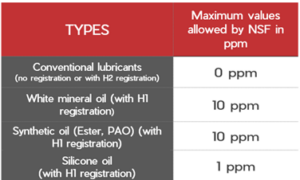
According to industry guidance from Machinery Lubrication, food-grade lubricants classified under NSF H1 are specifically designed for environments where incidental food contact may occur, ensuring both performance and compliance.
Common Lubrication Risks in Food Facilities
Many food manufacturing plants experience recurring lubrication-related issues, including:
- Use of non-food-grade lubricants in sensitive areas
- Lack of standardized lubrication procedures
- Inconsistent maintenance schedules
- Poor labeling and lubricant segregation
- Limited technician training on food safety requirements
- Missing lubrication documentation for audits
These gaps increase the risk of contamination, equipment breakdown, and regulatory non-compliance.
Key Compliance Standards
Main differences between ISO 21469 and NSF H1 classification
Food-grade lubrication systems are subject to strict regulatory frameworks, including:
- NSF H1 lubricant classification
- FDA food safety requirements
- HACCP principles
- ISO 22000 food safety management systems
Compliance with these standards ensures that lubrication practices do not compromise product safety or facility audits.
How to Choose the Right Lubricant for Food-Grade Facilities
Selecting the correct lubricant is essential to maintaining product quality and ensuring reliable machine operation in food manufacturing environments. The first step is to identify all lubrication points and assess the risk of lubricant contact with food, packaging, or food-contact surfaces. Where incidental contact cannot be avoided, NSF H1 food-grade lubricants should be used. In applications where direct and continuous contact is required, such as release agents in baking processes, NSF 3H lubricants are more appropriate.
To reduce contamination risk, many facilities standardize the use of H1 lubricants across production areas, as part of the key factors to consider when selecting lubricants. This approach minimizes the chance of using the wrong lubricant, simplifies inventory and application processes, and reduces audit-related discrepancies. Even in areas where H2 lubricants may seem acceptable, human error during application can still introduce contamination risks, making standardization a safer and more practical approach. Equally important among the factors to consider when selecting lubricants is choosing a reliable manufacturer.
High-quality suppliers follow strict formulation and production standards, ensuring consistency, proper certification, and compliance with food safety requirements, which helps maintain both operational reliability and regulatory compliance across the facility.
The Role of Structured Lubrication Programs
A strong lubrication program is not just about choosing the right product; it requires a system.
Effective implementation typically includes:
- Facility lubrication audits
- Identification of compliance and operational gaps
- Standardization of lubrication processes
- Training and capability development
- Continuous monitoring and improvement
This structured approach helps reduce downtime, improve equipment lifespan, and strengthen food safety compliance.
Final Thoughts
Lubrication is a critical but often underestimated factor in food manufacturing operations. When properly managed, it directly supports both equipment reliability and food safety compliance. Organizations that adopt structured, standards-based lubrication programs are better positioned to reduce operational risk, improve audit performance, and maintain consistent production efficiency.
Need Support?
If your facility is aiming to strengthen lubrication compliance and improve operational reliability, a structured lubrication audit can help uncover gaps and highlight opportunities for improvement. To build internal capability and reinforce best practices, you can check our training program.
For a deeper, compliance-focused exploration of best practices in food-grade environments, you can download the full white paper.
If you’d like more tailored support or guidance specific to your operations, feel free to contact us today.